Micronutrients vs Macronutrients: Why Both Matter
What macronutrients are
Macronutrients are the nutrients you need in larger amounts because they supply calories and structural material for your body. They include:
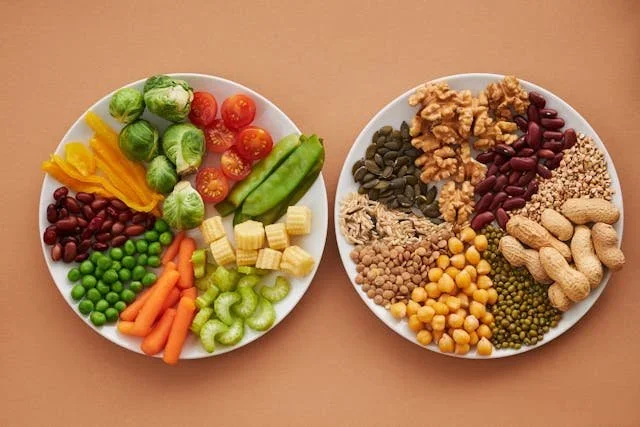
Carbohydrates – your body’s primary and most efficient source of energy (4 calories per gram).
Proteins – build and repair tissues like muscle, skin, and enzymes, and also supply energy (4 calories per gram).
Fats – concentrated energy source (9 calories per gram), help form cell membranes, support hormone production, and allow absorption of fat‑soluble vitamins A, D, E, and K.mindful.
Guidelines generally recommend most daily calories from carbohydrates, with moderate amounts from fats and proteins, because completely cutting out any one group can disrupt energy, hormones, and nutrient absorption.
What micronutrients are
Micronutrients are vitamins and minerals your body needs in much smaller amounts, but they’re just as essential.
Examples include:
Vitamins: A, C, D, E, K, and the B‑vitamin family (B6, B12, folate, etc.).
Minerals: iron, calcium, magnesium, zinc, potassium, and many trace elements.
Micronutrients don’t provide calories, but they:
Enable chemical reactions that turn carbs, fats, and proteins into usable energy (for example, B vitamins in energy metabolism).newsnetwork.
Support immunity, bone health, blood formation, brain function, and hormone production.
How macros and micros work together
A simple analogy: macronutrients are the bricks and fuel, while micronutrients are the wiring and tools that help you build, maintain, and power the house.
Together they:
Provide energy (macros) and convert that energy efficiently (micros).
Build and repair tissues (protein, fats) while vitamins and minerals control processes like collagen synthesis, oxygen transport, and antioxidant protection.
Maintain long‑term health: inadequate macros can lead to low energy and muscle loss; inadequate micros can lead to issues like anemia, weak bones, impaired immunity, and more.
Focusing only on calories or macros without micronutrient quality (for example, choosing low‑nutrient “empty calories”) can leave you technically “fed” but undernourished.
Why a balanced approach matters
To get enough of both, most experts recommend a pattern built around whole, minimally processed foods.
For macronutrients: emphasize whole grains, lean proteins, legumes, nuts, seeds, and healthy fats instead of heavily processed, high‑sugar foods.
For micronutrients: eat a variety of colorful fruits and vegetables, plus nuts, seeds, beans, and dairy or fortified alternatives to cover a broad spectrum of vitamins and minerals.
Food is generally preferred over supplements because vitamins and minerals in whole foods are often better absorbed and come packaged with fiber and other beneficial compounds.