What Red Light Therapy Is and How It Works
Red light therapy (also called photobiomodulation) is a non‑invasive treatment that exposes your skin to low‑level red and near‑infrared light, typically in the 600–1000 nanometer (nm) range. These wavelengths can penetrate the skin and interact with tiny structures inside your cells, triggering a cascade of beneficial biological changes.
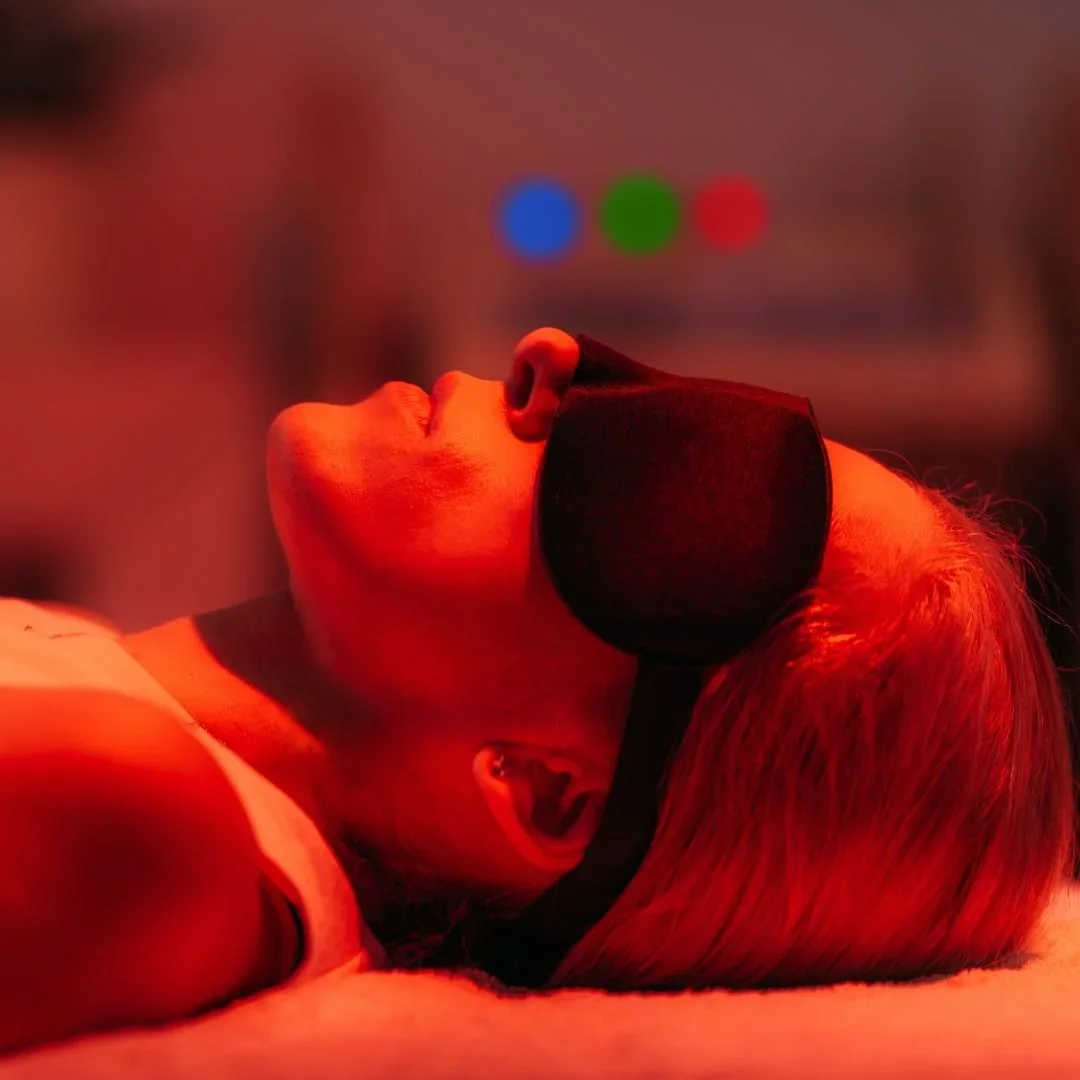
The Basics: Light Your Cells Can Use
Unlike UV light, red and near‑infrared light do not burn the skin or cause tanning; instead, they deliver gentle, non‑ionizing energy your cells can absorb. Most wellness and aesthetic devices use LEDs or low‑level lasers to bathe a target area—like the face, scalp, or joints—in a controlled dose of red light for several minutes at a time.
Clients typically experience red light therapy as:
A warm, soothing glow without discomfort.
Short sessions (often 10–20 minutes) repeated regularly for best results.
How It Works at the Cellular Level
The core idea behind red light therapy is that certain cellular “photoreceptors” absorb these wavelengths and respond by working more efficiently.
Key mechanisms highlighted in the scientific literature include:
Mitochondrial activation: Red and near‑infrared light are absorbed by an enzyme called cytochrome c oxidase in the mitochondrial electron transport chain, which boosts ATP (cellular energy) production.
Signaling molecule shifts: This light exposure can modulate reactive oxygen species (ROS), nitric oxide (NO), and calcium levels inside cells—signals that influence inflammation, blood flow, and gene expression.
Gene expression changes: Studies show red light can up‑regulate and down‑regulate hundreds of genes related to metabolism, stress response, and tissue repair over a period of hours after treatment.
In simple terms, red light therapy helps your “cellular batteries” charge more efficiently, which can translate into better repair and regeneration where the light is applied.
What Red Light Therapy Is Used For
Red light and near‑infrared treatments are being used or studied across a range of wellness and aesthetic goals.
Common wellness and aesthetic applications include:
Skin rejuvenation: Support for fine lines, texture, and overall tone by stimulating collagen‑building cells (fibroblasts) and aiding barrier repair.
Wound and tissue healing: Encouraging faster re‑epithelialization (new skin formation), better wound contraction, and more robust tissue repair.
Inflammation support: Photobiomodulation has documented anti‑inflammatory effects, including shifts in inflammatory signaling pathways and immune cell behavior.
Joint and muscle comfort: Low‑level red and near‑infrared light can support recovery and comfort in muscles and joints by improving circulation and modulating inflammatory mediators.
Hair and scalp: Some systems apply red light to the scalp to support hair density and scalp health by stimulating follicles and local circulation.
Medical and dermatology settings also use red light as part of photodynamic therapy, where it activates a topical drug to selectively destroy problem cells, but wellness devices focus on the gentler, regenerative “photobiomodulation” end of the spectrum.
Why Wavelength and Dose Matter
Not all light—and not every dose—works the same way, which is why professional devices emphasize specific settings.
Key points:
Therapeutic “window”: Most photobiomodulation research focuses on red (around 600–700 nm) and near‑infrared (around 800–1000 nm) light, which can penetrate tissue and interact with mitochondrial chromophores.
Biphasic response: Low to moderate doses tend to stimulate beneficial processes, while excessively high doses may plateau or even inhibit cellular responses.
Non‑heating: Red light therapy uses low‑level, non‑thermal light, meaning the benefits come from cellular signaling, not from heat damage.
This is why consistent, appropriately dosed sessions over time usually work better than a single, very intense exposure.
TLDR;
A simple way to describe red light therapy:
It’s a gentle, non‑invasive light treatment that tells your cells to make more energy.
With more cellular energy, your skin and tissues can do what they’re naturally designed to do: repair, renew, and balance themselves.
Over a series of sessions, this can translate into healthier‑looking skin, better recovery, and more resilient tissues in the areas you treat.